
Food Photography Ultimate Guide for Restaurants
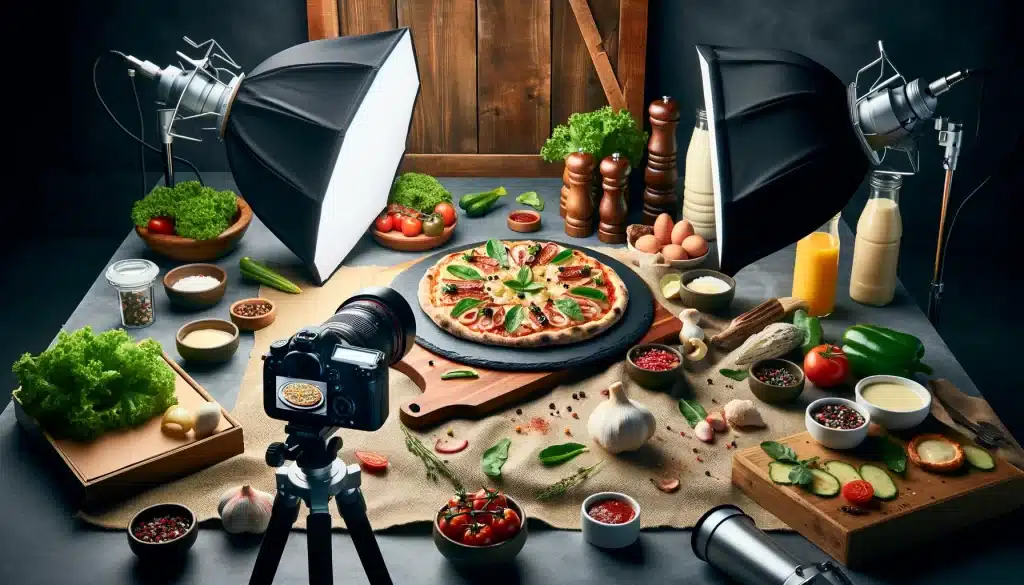
Food photography is an art that combines creativity and technical skill. It captures the essence of a dish, making it look as delicious as it tastes.
For photographers, mastering this craft can open doors to exciting opportunities. From social media to commercial projects, the demand for stunning food images is ever-growing.
Whether you're using a professional camera or an iPhone, the principles remain the same. Lighting, composition, and styling are key to creating mouth-watering images.
This guide will provide you with essential tips and techniques. You'll learn how to elevate your food photography to a professional level.
Get ready to explore the world of food photography and transform your skills.
The Art and Impact of Food Photography
Food photography has a unique ability to engage and entice audiences. It transforms ordinary dishes into alluring works of art.
The primary goal is to evoke emotions and stimulate appetites. This can impact how people perceive a dish and even enhance a brand's identity.
In the commercial realm, captivating food photos can drive sales and customer interest. Restaurants use these images for menus, websites, and social media marketing.
To master this craft, photographers must hone several skills:
- Understanding lighting and composition
- Styling food attractively
- Selecting appropriate props
Together, these elements create a visually striking image that tells a story. A well-crafted food photo can captivate viewers, turning them into eager customers.
Essential Food Photography Equipment and Tools
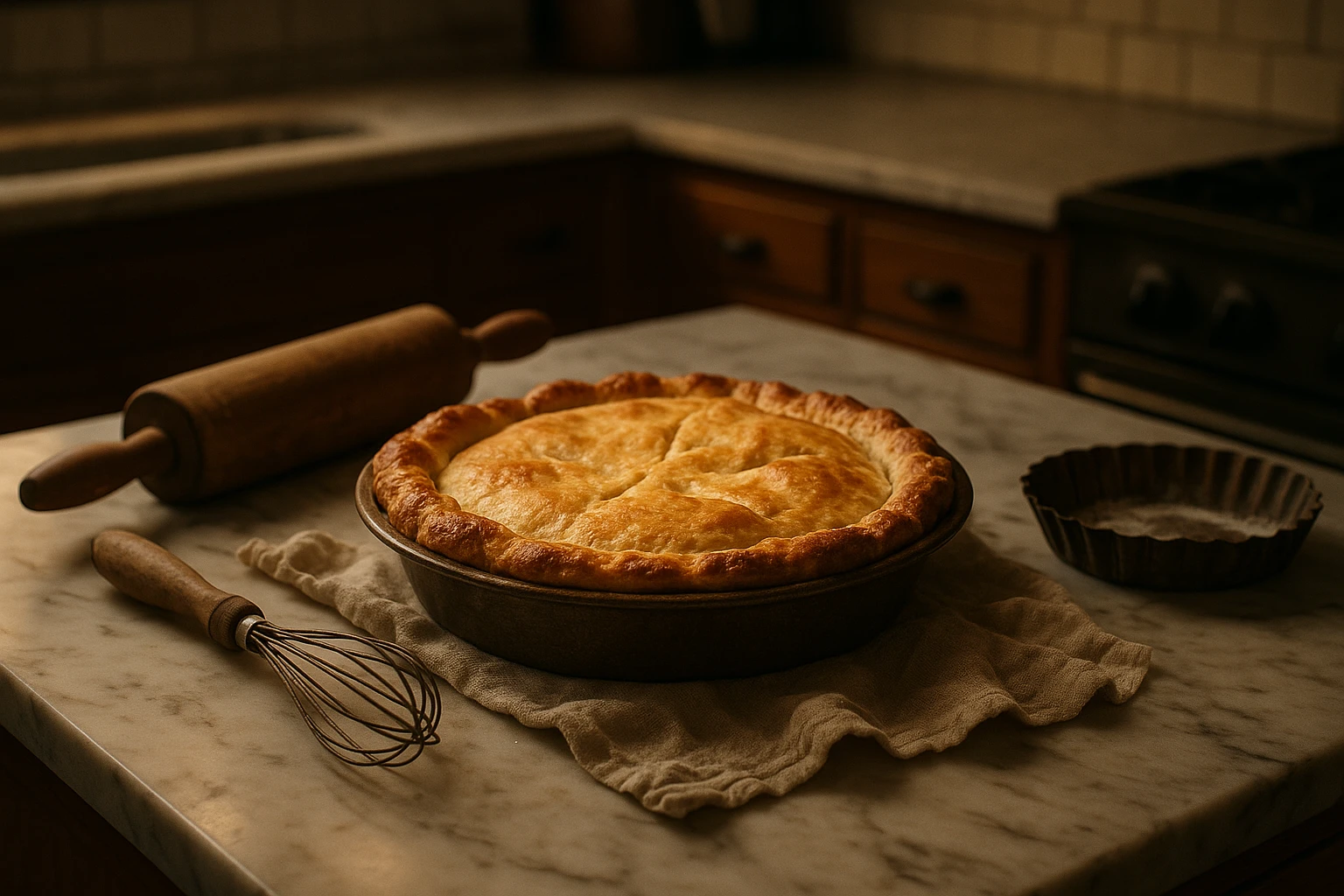
Having the right equipment is crucial for any food photography photographer. It enhances the quality and depth of your images. While a professional camera is beneficial, beginners can start with an advanced smartphone.
Lenses are equally important. A macro lens captures intricate details like the texture of a cake, while a prime lens offers sharper images. The right lens selection can significantly impact the final outcome of your food photography work.
Tripods are essential for stability. They allow you to shoot at slower shutter speeds and maintain focus. This is particularly useful when working in challenging lighting conditions.
Finally, don't forget about the supporting gear:
- Reflectors for controlling light
- Backdrops for setting the scene
- Editing software for post-processing
Each component plays a role in helping photographers create aesthetic food photos. Quality equipment can be the difference between a good photo and a great one.
Mastering Lighting: Natural and Artificial Approaches
Lighting is one of the most critical elements in food photography. Natural light is often preferred for its soft and even qualities. It helps highlight food's natural colors and textures.
Position your subject near a window. Use diffused sunlight whenever possible. Diffusion can be achieved by hanging a sheer curtain or using a softbox.
When natural light isn't available, artificial lighting comes to the rescue. Invest in a set of LED lights or softboxes. Adjust the color temperature settings for the best results.
Different lighting techniques can dramatically change how food appears. Consider using:
- Backlighting for depth
- Side lighting for texture
- Front lighting for overall brightness
Each lighting style creates a different mood and emphasis in the photography. Experiment with these techniques to find what works best for each dish.

by Шарапат Піржан (https://unsplash.com/@xsharapatx)
Composition and Framing: Creating Visually Appealing Shots
Composition in food photography is the art of guiding the viewer's eye. It plays a crucial role in creating a visual story. A well-composed photo can make even the simplest dish look tantalizing.
Start by experimenting with the rule of thirds. Position key elements along these grid lines. This technique adds balance and interest to your shots.
Framing your subject properly enhances its appeal. Use elements like plates, cutlery, or napkins to frame the food. This creates a sense of context and draws viewers in.
Try various angles to capture the most flattering perspective. Overhead shots work well for flat dishes. For layered dishes, a side angle emphasizes height and detail.
Consider these composition techniques:
- Rule of thirds for balance
- Central compositions for focus
- Angles that complement the food structure
These strategies will elevate your food photography to a professional level.

by Xie Yujie Nick (https://unsplash.com/@xieyujie)
Food Styling and Props: Making Food Look Irresistible
Food styling is key to captivating food photography. It involves creatively arranging food to highlight its best features. The goal is to make the dish look as appetizing as possible.
Props add context and interest to your photos. They shouldn't overwhelm the main subject. Instead, props complement the food and enhance the overall theme.
The right background can change the mood. Neutral backgrounds often work best, allowing the food's colors to shine. Contrast is your friend here; it makes the dish pop.
Experiment with different textures to add depth. Use elements like linens, raw ingredients, and utensils to create a narrative. This approach can transform a simple dish into a story.
Keep these tips in mind:
- Choose props that enhance but don't distract
- Use backgrounds that contrast and complement
- Incorporate textures to add dimension
Mastering these skills makes food look irresistible and professional.

by Sehajpal Singh (https://unsplash.com/@fujix_pal)
Techniques for Capturing Texture, Color, and Detail
Showcasing texture in food photography adds depth to your images. Light placement is crucial for revealing the texture. Use side lighting to emphasize the surface details of the food.
Color is equally important. Accurate colors make the food look fresh and appetizing. White balance settings help in achieving true color representation. Adjust these settings according to the light source for best results.
Details make food photography engaging. Capture them with a macro lens or function. Highlight the minutiae, like the crackling on bread or dew on fresh produce. These details draw viewers in, allowing them to imagine the flavors and aromas.
Consider these techniques:
- Use side lighting for texture
- Adjust white balance for true color
- Capture close-ups for detail
Perfecting these techniques elevates your food photos from simple to spectacular.

by Road Ahead (https://unsplash.com/@roadahead_2223)
Shooting with Smartphones: iPhone Food Photography Tips
Smartphones, especially iPhones, are powerful tools for food photography. They fit easily into tight spaces, allowing for creative angles and unique shots.
Take advantage of the phone's camera settings to enhance your images. Utilize features like focus lock and exposure adjustments for perfect shots. This control adds depth and clarity to your food photos.
Use natural light whenever possible. Position the phone to eliminate harsh shadows and bring out the food's colors. Simple techniques can yield professional results.
Essential iPhone food photography tips:
- Use focus lock for sharpness
- Adjust exposure to balance light
- Find natural light sources
Mastering these tips transforms your iPhone into a formidable food photography tool.

by Damir Samatkulov (https://unsplash.com/@dsamatkulov)
Editing and Post-Processing for Professional Results
Post-processing enhances your food photos to a professional standard. This step involves fine-tuning elements like color, brightness, and contrast. The right adjustments can highlight the texture and freshness of the food.
Choose editing software that suits your needs. Tools like Adobe Lightroom and Photoshop offer extensive features for refining your photos. They provide options to correct imperfections and adjust tones.
Remember, subtlety is key. Over-editing can make food appear unnatural and unappetizing. Aim to enhance the image while maintaining its authenticity.
Key editing tips:
- Adjust brightness and contrast
- Refine colors for vibrancy
- Maintain natural appeal
Post-processing transforms good shots into memorable images.

by dlxmedia.hu (https://unsplash.com/@dlxmedia)
Building a Food Photography Portfolio and Finding Clients
A well-crafted portfolio is essential for attracting clients. It should showcase your best work, highlighting your skills and unique style. Aim for diversity in your portfolio by including various food photography styles.
Highlight your ability to capture the essence of different cuisines and food products. This diversity not only demonstrates versatility but also appeals to a broader audience. Tailor your portfolio to align with the type of clients you wish to attract, such as restaurants or food brands.
Networking is key to finding clients. Attend industry events and engage with food enthusiasts online. Connect with other photographers and collaborate to expand your reach.
Portfolio creation tips:
- Select varied styles and subjects
- Showcase technical skills
- Tailor to target audience
Building a strong portfolio increases visibility and client interest.

by Filipa Campos (https://unsplash.com/@filipanoscampos)
Social Media and Restaurant Food Photography
Social media plays a significant role in promoting food photography. Platforms like Instagram and Pinterest are ideal for showcasing your work and attracting potential clients. Restaurant owners, too, use these platforms to market their offerings.
Creating engaging content is essential. Focus on the unique aspects of the restaurant's menu and ambiance. Highlighting these features can enhance a restaurant's online presence and draw in more customers. Consistency in style helps maintain a cohesive and professional look.
Collaborating with restaurants can be mutually beneficial. Offer to take professional food photography in exchange for exposure on their platforms. This can lead to more opportunities.
Tips for social media food photography:
- Use consistent branding
- Focus on unique dish aspects
- Collaborate for exposure
Maximize your online presence with eye-catching and strategic content.

by Ambitious Studio* | Rick Barrett (https://unsplash.com/@weareambitious)
Creative Food Photography Ideas and Trends
Staying updated with food photography trends is crucial for standing out. Current trends often blend innovation and cultural influences, offering fresh perspectives. Exploring these trends can fuel your creativity and differentiate your work in a competitive market.
Experiment with different styles and techniques. Try capturing food in motion, like pouring sauces or sprinkling spices. Such dynamic shots add a sense of action and liveliness. This creativity can lead to unique compositions that captivate viewers.
Stay inspired by following food stylists and influential photographers on social media. Observe how they use props, backgrounds, and lighting to create impressive shots. This research can help you craft your unique style.
Ideas for creative food photography:
- Capture food in motion
- Use unexpected angles
- Experiment with textures
Incorporating these ideas will keep your portfolio fresh and engaging. Creativity and innovation are key in developing a unique photography style.

by Fotografía de Alimentos (https://unsplash.com/@fotosdealimentos)
Final Tips for Aspiring Food Photography Photographers
Food photography is an evolving and dynamic field requiring constant growth. Aspiring photographers should focus on building their skills and expanding their knowledge. Patience and experimentation are vital components in mastering this craft.
Start by understanding your camera. Learn how different settings impact the outcome of your photos. Don't hesitate to experiment with various angles and lighting conditions. Trial and error is a powerful teacher, and embracing it will refine your technique.
Building a network is equally important. Connect with other food photographers to exchange ideas and feedback. Engaging with a community provides support and fresh insights. This collaboration can lead to new opportunities and inspiration.
Key tips for success:
- Practice consistently
- Embrace experimentation
- Network with peers
Commit to your passion and keep honing your skills. Remember, persistence and creativity are your best allies in this vibrant photography field.
Generate studio-grade food shots with PlatePhoto
Upload any dish and PlatePhoto relights, restyles, and sharpens it automatically—ready for menus, delivery apps, and ads.
Read Next
Continue exploring our latest guides and tips
Professional Food Photography for Restaurants
Learn what goes into a professional food photoshoot. Compare cost, gear, styling, and retouching fees with affordable DIY and AI menu photo alternatives.
Read articleFood Photography Lighting: A Practical Setup Guide
Learn simple food photography lighting setups for restaurants, from soft window light to a repeatable one-light setup for menus and delivery apps.
Read articleFood Photography Backgrounds: 12 Practical Backdrop Ideas
Choose food photography backgrounds that make dishes stand out. Compare affordable backdrop materials, colors, textures, and restaurant-ready setups.
Read article