
Delivery Hero Menu Photo Requirements
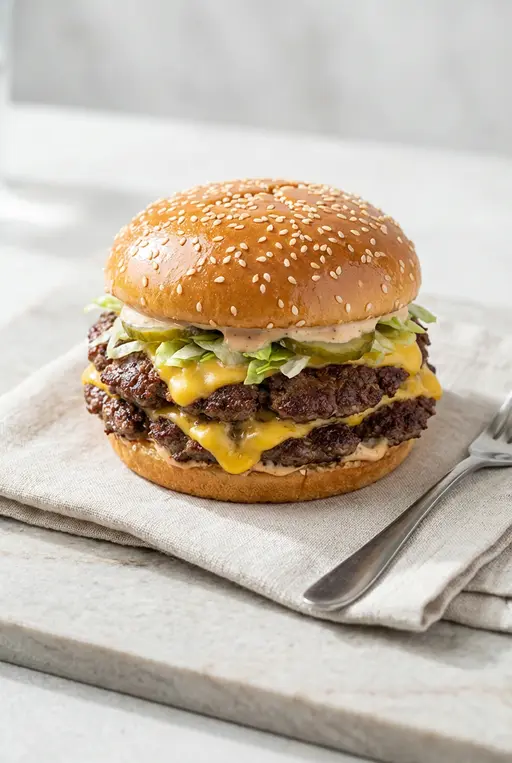
Delivery Hero isn’t a single consumer app—it's the parent company behind multiple delivery brands (e.g., foodpanda, talabat, and others). That means there’s no single, global “Delivery Hero photo spec” you can follow. But across brands, the approval patterns are consistent: clean backgrounds, accurate representation, and images that crop well on mobile. This guide distills the shared requirements and best practices so you can ship compliant photos faster.
First: where the “real” rules live
Delivery Hero operates many local platforms, and each marketplace publishes its own merchant/partner guidelines (sometimes with different sizes and cropping behavior). If you want a quick official starting point for brand assets and downloadable imagery, Delivery Hero maintains a photo downloads page: Delivery Hero Photos (official).
For a neutral overview of the company and its footprint (helpful when you’re deciding which markets to optimize first), see Delivery Hero on Wikipedia.
Common photo requirements across Delivery Hero brands (what reviewers usually enforce)
Treat these as the “lowest-common-denominator” standards that keep photos looking consistent across mobile listings. Then confirm the exact file size, dimensions, and crop behavior in your specific merchant portal.
- Single item, clear framing: one dish per image, centered, fully visible.
- Clean background: no busy prep surfaces, packaging clutter, or distracting props.
- No text overlays: avoid prices, promo text, watermarks, stickers, borders, and collages.
- Sharp + well-lit: avoid motion blur, grain, and harsh color casts from kitchen lighting.
- Accurate representation: match what the customer receives (portion size, sides, garnish, packaging).
- Crop-safe composition: leave breathing room around the food; many menus display square thumbnails even if you upload a rectangle.
Hero images vs item images: design for two different jobs
Most delivery menus use two visual “surfaces.” Optimizing each increases both discovery and conversion.
Hero / header images (storefront)
- Goal: communicate cuisine + quality at a glance.
- Composition: show variety (multiple best-sellers), but keep it tidy and intentional.
- Format: commonly displayed wide (often ~16:9); keep the main hero area centered to survive crops on different devices.
Item photos (menu grid)
- Goal: reduce uncertainty—what exactly am I ordering?
- Composition: one dish, centered, with a clean surface and visible key ingredients.
- Format: often shown as a square thumbnail, so shoot/export with square-safe framing.
What should be included in a proper delivery photo?
Include the complete item exactly as the customer receives it: the standard portion, included sides, toppings, sauces, and any packaging that is part of the order. Keep the food centered, clearly lit, in sharp focus, and fully visible against a clean background.
Leave out paid extras, additional portions, and decorative props that could misrepresent the listing. Leave enough space around the food for square thumbnails and wider layouts.
Best practices that raise approvals (and conversion)
- Use soft, directional light: window light or a diffused key light is ideal; avoid harsh overhead shadows.
- Pick the angle that sells the dish: top-down for bowls/plates; 45° for burgers, stacks, and layered items.
- Keep styling “real”: garnish only what you actually serve; don’t over-prop.
- Standardize across locations: consistent angles and backgrounds make multi-location brands look trustworthy.
- Batch your best sellers first: photos on the top 10 items do most of the work for conversion.
How PlatePhoto helps (without reshoots)
- Relights and corrects color casts from mixed kitchen lighting.
- Cleans up messy backgrounds so the food is the only focal point.
- Generates crop-safe outputs so your dish stays centered in square thumbnails and wide headers.
Outcome: faster approvals and a more consistent brand presence across Delivery Hero marketplaces.
Upload checklist (use this before you submit)
- Center the dish and leave margin so nothing important is cut off after cropping.
- Remove overlays (no text, prices, watermarks, borders, or collages).
- Validate accuracy: the photo matches the exact item name and contents.
- Check sharpness: zoom in—if it’s soft on your phone, it’ll be worse on the menu grid.
- Keep a consistent style across the menu: same background vibe, similar brightness, similar angle set.
Ship Delivery Hero–ready photos today
Upload a dish photo once—PlatePhoto outputs a clean, crop-safe image you can reuse across Delivery Hero brands.
Spend minutes, not weeks, getting your menu looking professional.
Generate Delivery Hero–ready menu photos
Upload any dish photo—PlatePhoto relights, cleans up backgrounds, and outputs consistent crops you can reuse across Delivery Hero brands.
Read Next
Continue exploring our latest guides and tips
DoorDash Photos & Images: Requirements and Photoshoots
Learn DoorDash image requirements, how to book a DoorDash photoshoot, upload better order pictures, and explore work as a DoorDash photographer.
Read articleJust Eat Takeaway Photo Requirements Guide
Master Just Eat and Takeaway.com photo requirements. Follow our checklist to ensure crop-safe images, pass approval checks, and boost restaurant sales.
Read articleGrubhub Photo Guidelines for Restaurant Menus
Meet Grubhub's photo requirements with conversion friendly visuals that keep your menu quality consistent and appealing across every listing.
Read article