
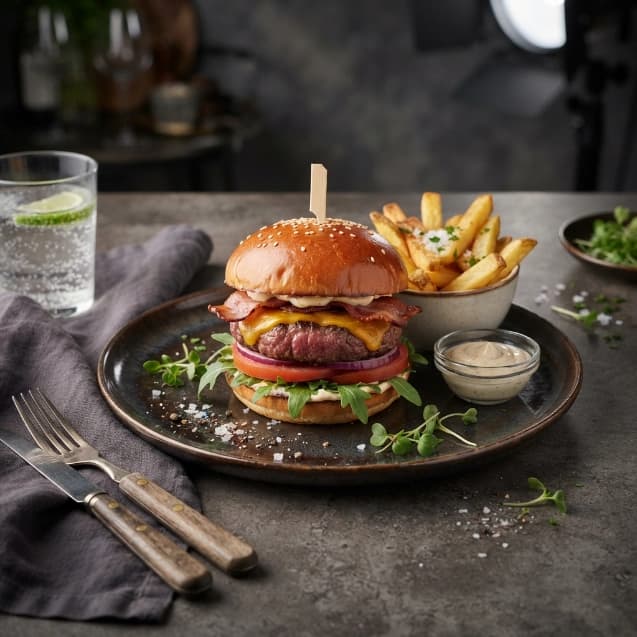
Commercial Studio Photography
Polished studio compositions designed for professional food advertising campaigns
Create professional, campaign-ready food visuals in minutes with PlatePhoto’s AI Food Advertising Photography for Marketing Campaigns, backed by a 100% money-back guarantee.
Trusted by restaurants on
Traditional food advertising shoots require studio space, photography equipment, food styling, creative teams, and production time for each campaign. PlatePhoto simplifies this process with AI food advertising photography, turning existing food and brand references into polished, campaign-ready images in minutes while reducing physical setup, production delays, and photography costs.
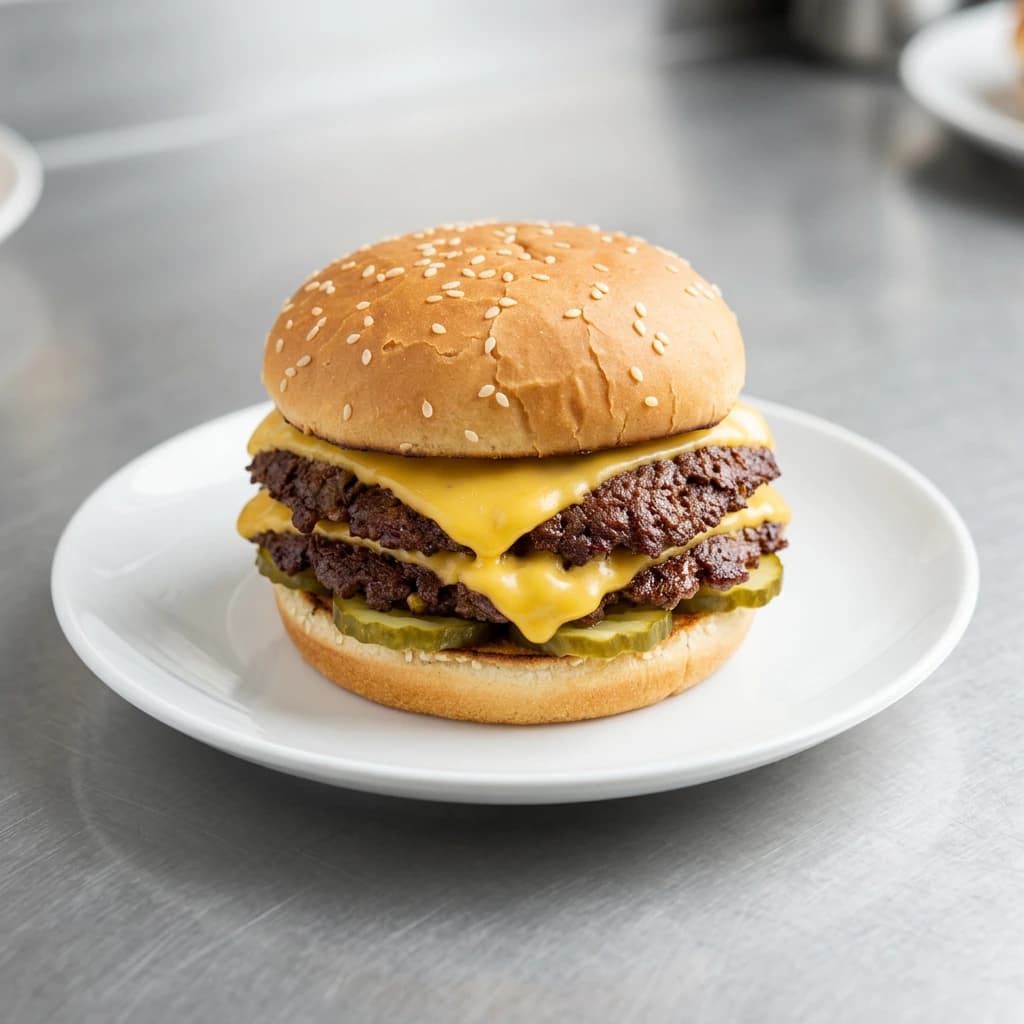
Turn your food photos and brand references into campaign-ready advertising images in four simple steps with PlatePhoto.
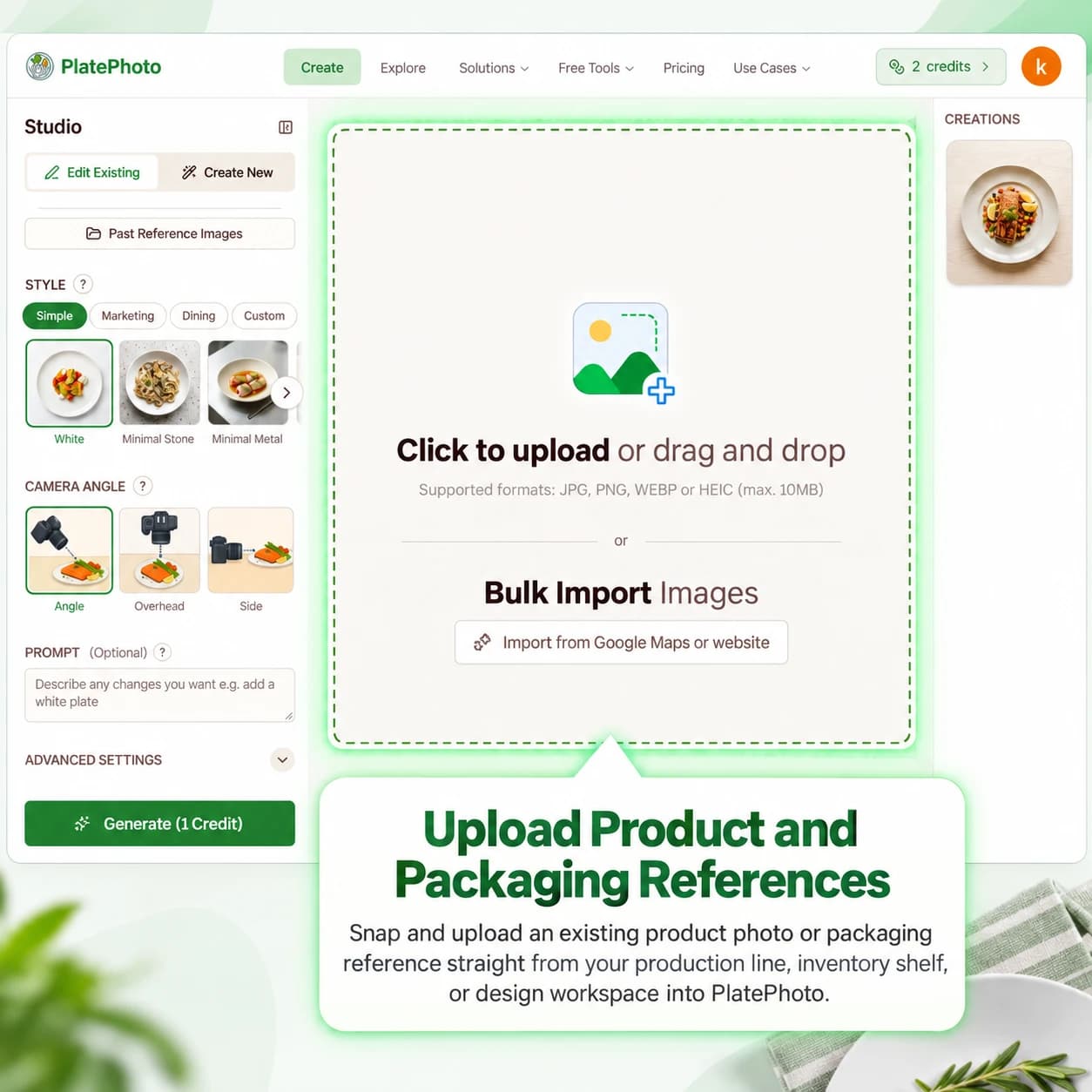
Upload food photos, packaging, logos, or brand references to give PlatePhoto the visual details needed for your campaign.
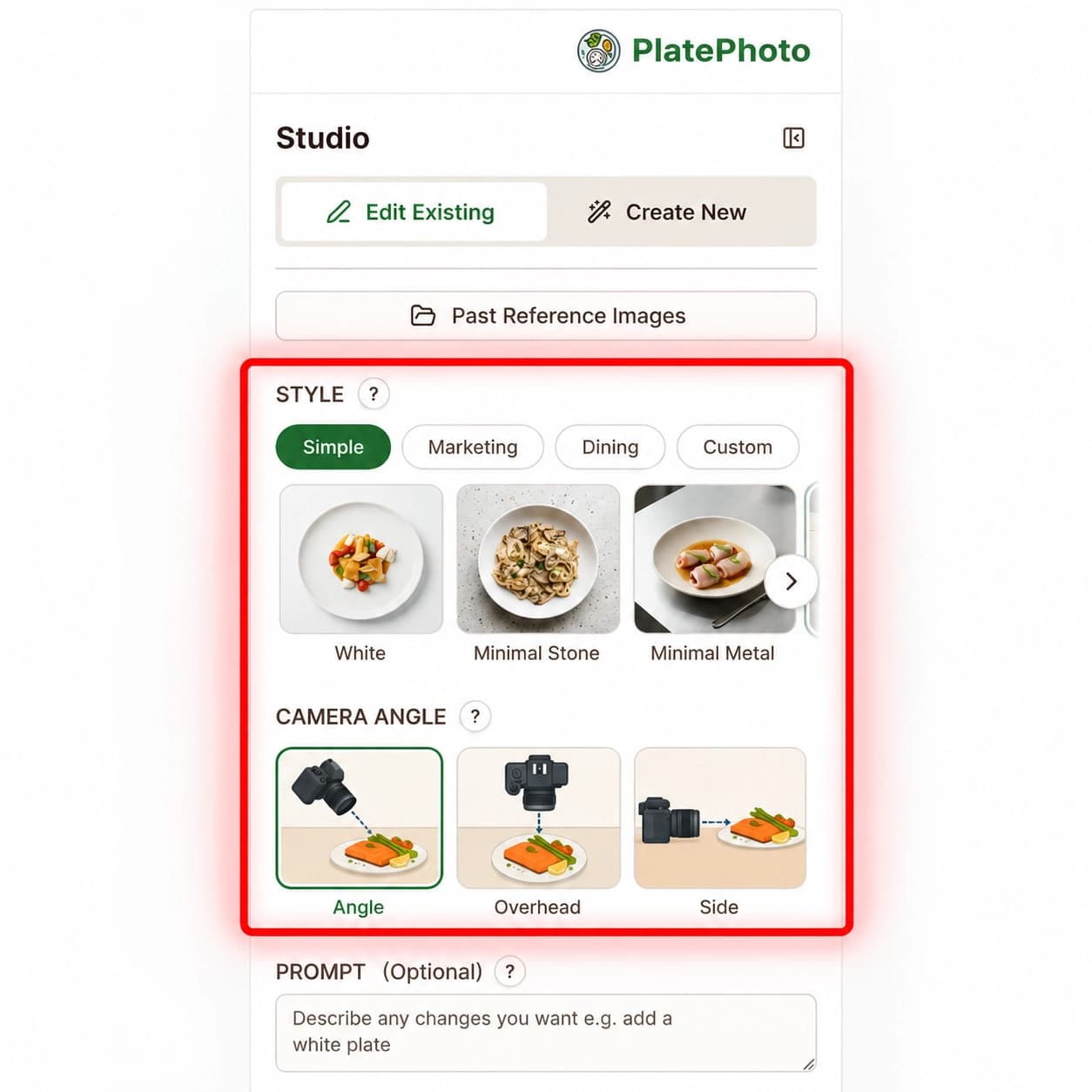
Choose your campaign purpose and visual direction, such as product promotion, seasonal advertising, social media, or brand marketing.
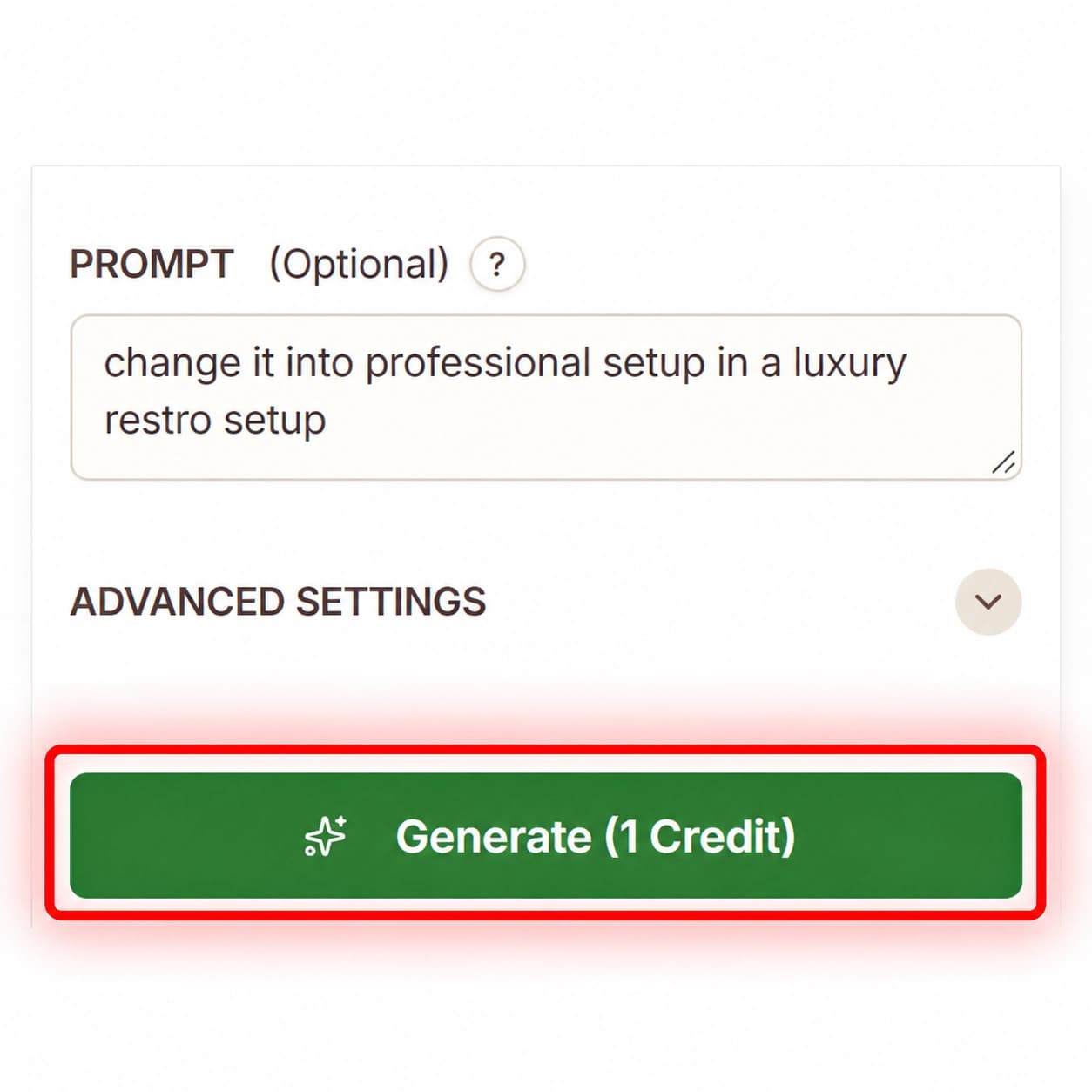
Generate polished food advertising visuals and refine the composition, styling, background, and presentation to match your campaign.
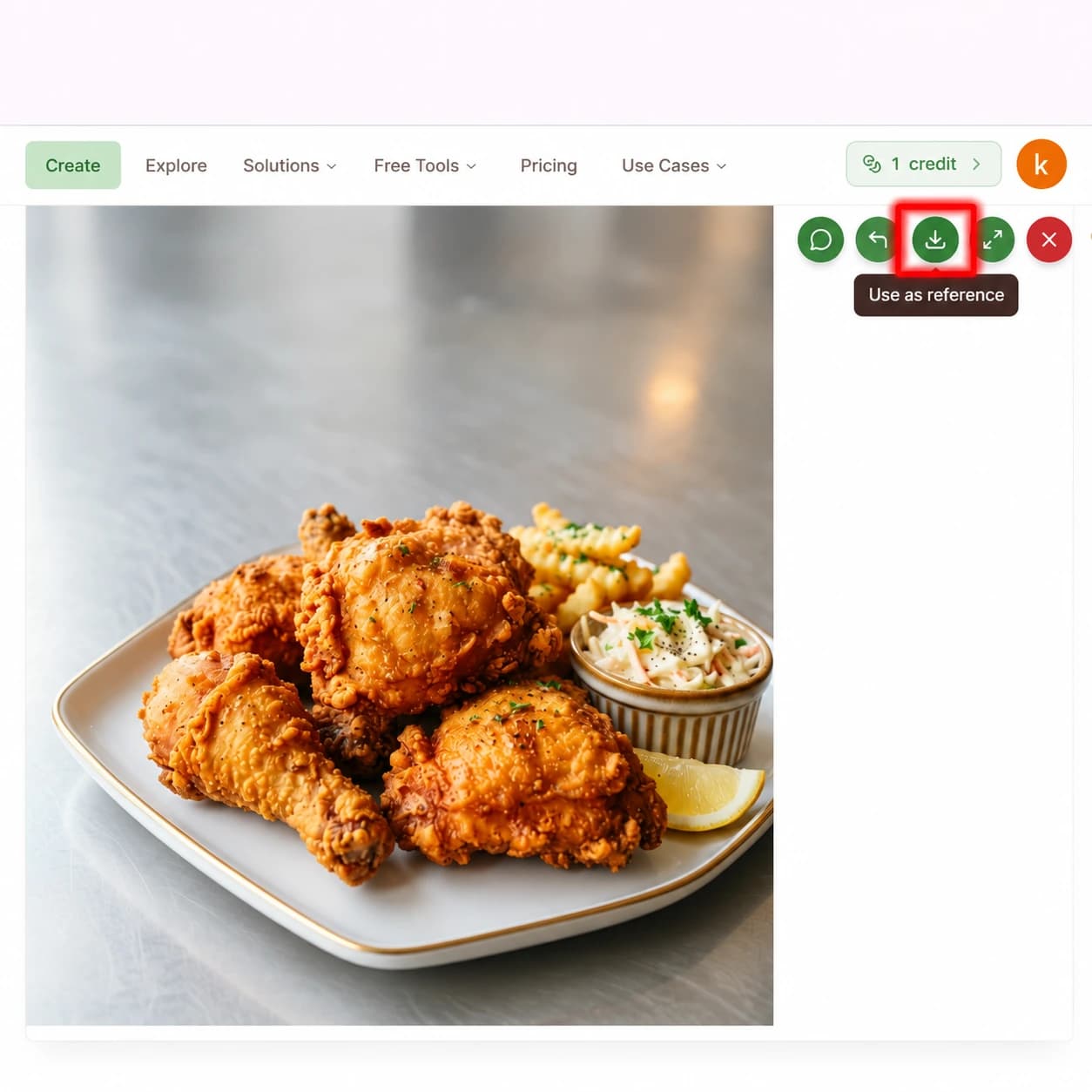
Download high-resolution campaign images ready for digital ads, social media, websites, ecommerce promotions, and other marketing channels.
From restaurant promotions to digital ads, see the range of campaign-ready visuals you can create with PlatePhoto’s AI food advertising photography.
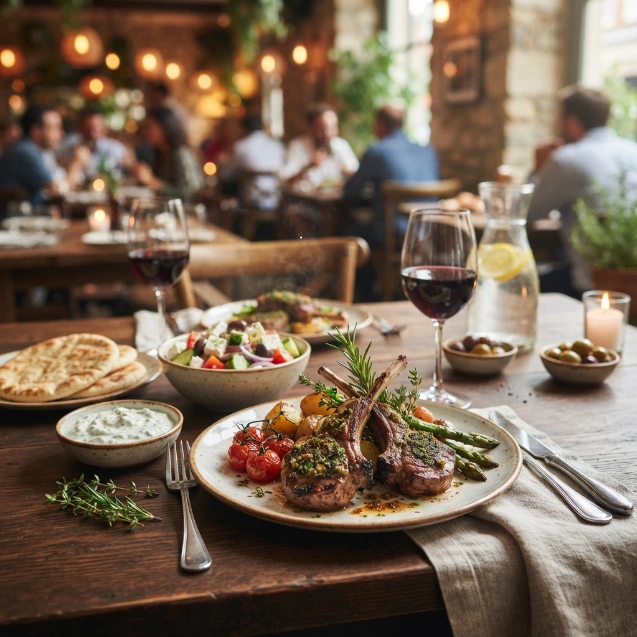
Appetizing food compositions designed for restaurant promotions, menu campaigns, and customer acquisition
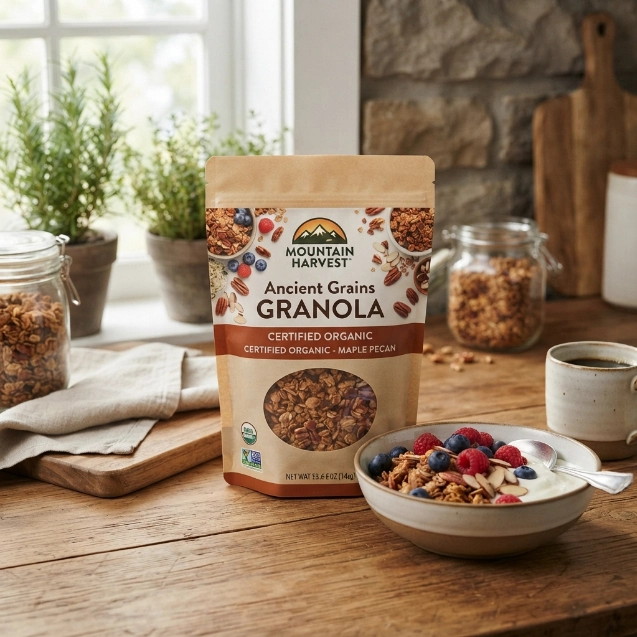
Brand-focused product scenes that showcase packaging, labels, and food products in commercial settings.
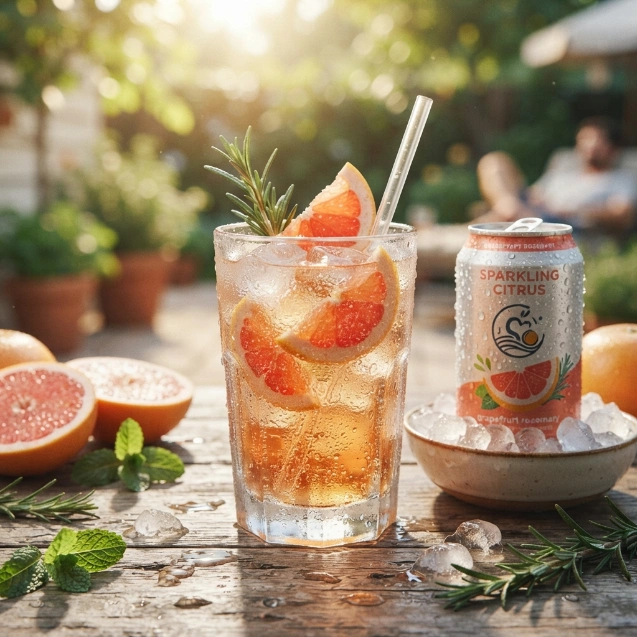
Refreshing drink visuals featuring realistic liquids, glassware, condensation, ingredients, and branded packaging
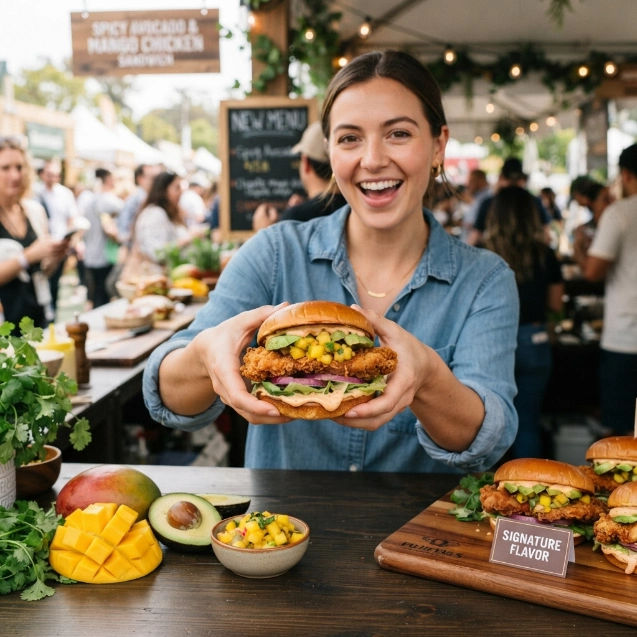
Attention-focused campaign visuals created to introduce new food products, flavors, or menu items.
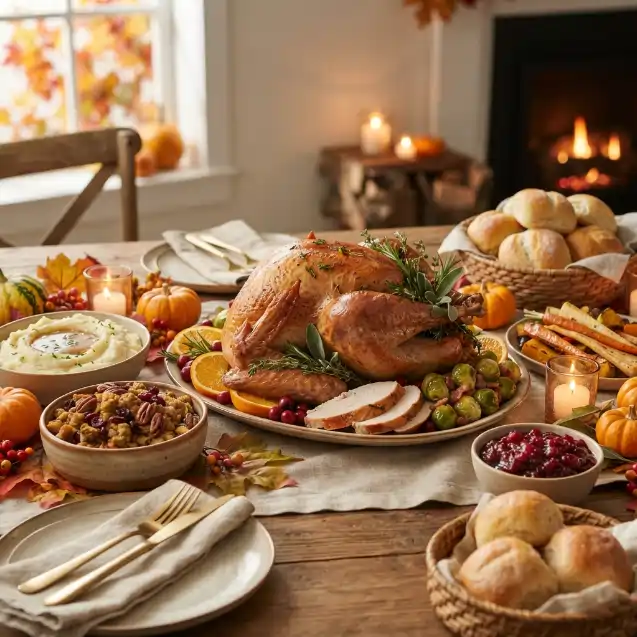
Timely food advertising scenes developed around holidays, seasonal menus, events, and limited-time releases
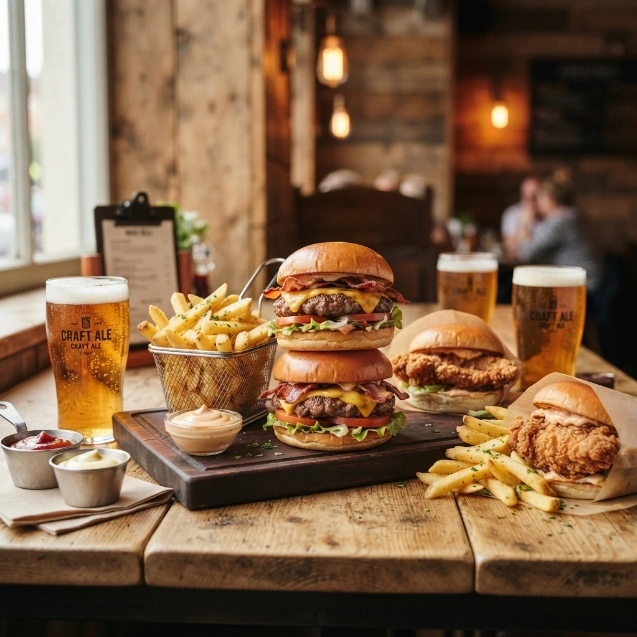
Sales-focused food visuals designed for discounts, bundles, special deals, and limited-time promotions
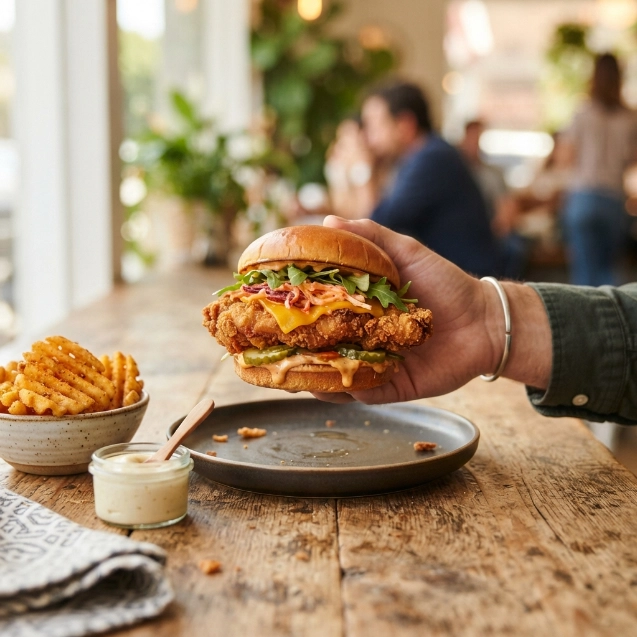
Scroll-friendly food advertising compositions formatted for paid and organic social media campaigns
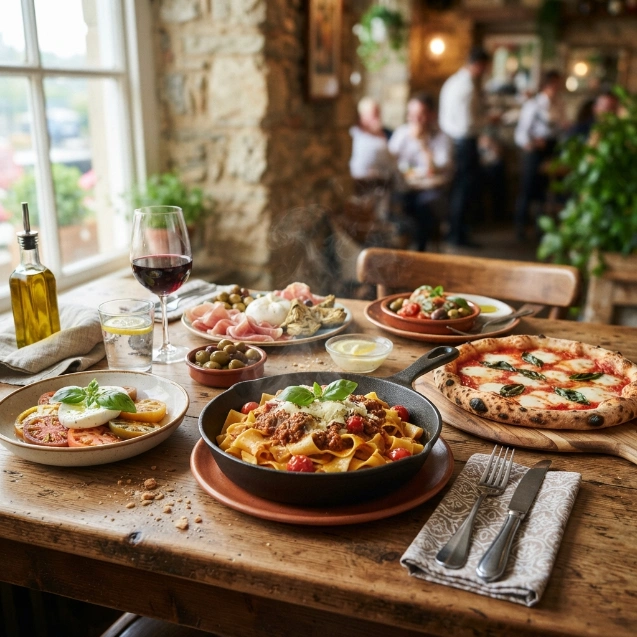
Wide-format food visuals designed for homepage banners, landing pages, campaign pages, and promotional sections
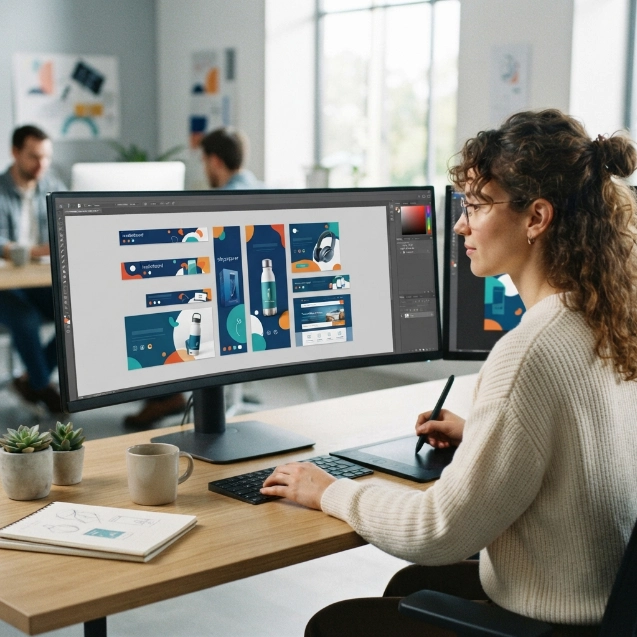
Clear advertising compositions created for digital display placements across websites and advertising networks
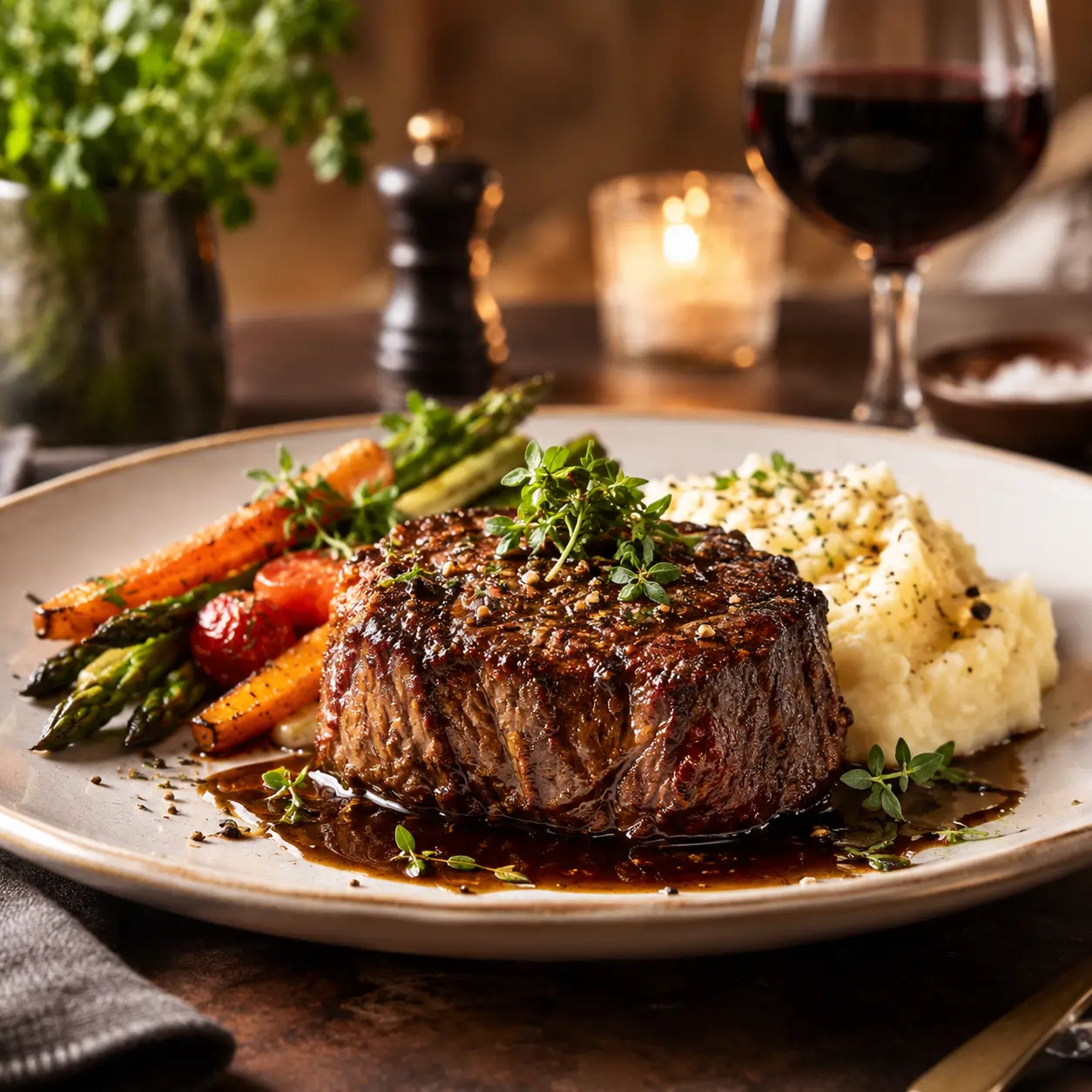
High-resolution food campaign visuals prepared for posters, flyers, brochures, magazines, and other printed materials
Choose a visual direction that fits your campaign purpose, brand identity, and marketing channel with PlatePhoto’s AI food advertising photography.
Polished studio compositions designed for professional food advertising campaigns
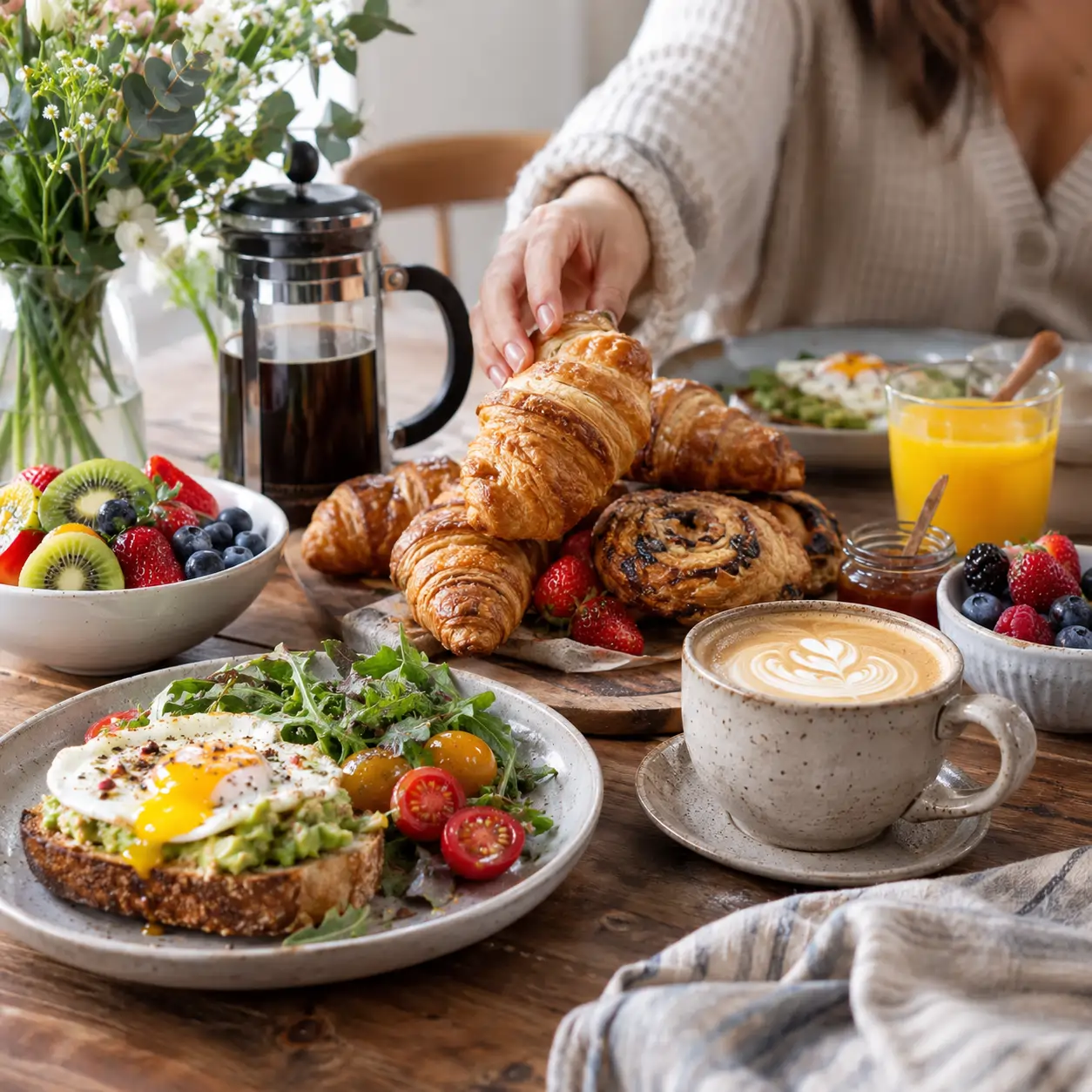
Natural food scenes that connect products with everyday settings and experiences
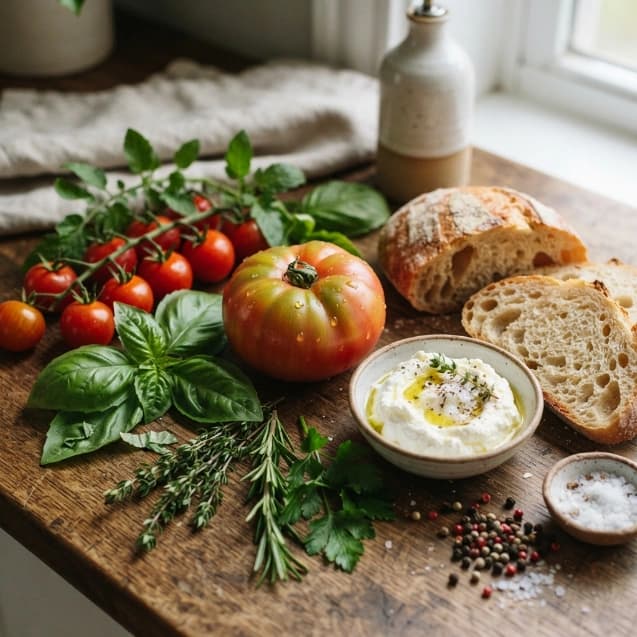
Detailed visuals that highlight ingredients, textures, freshness, and appetite appeal
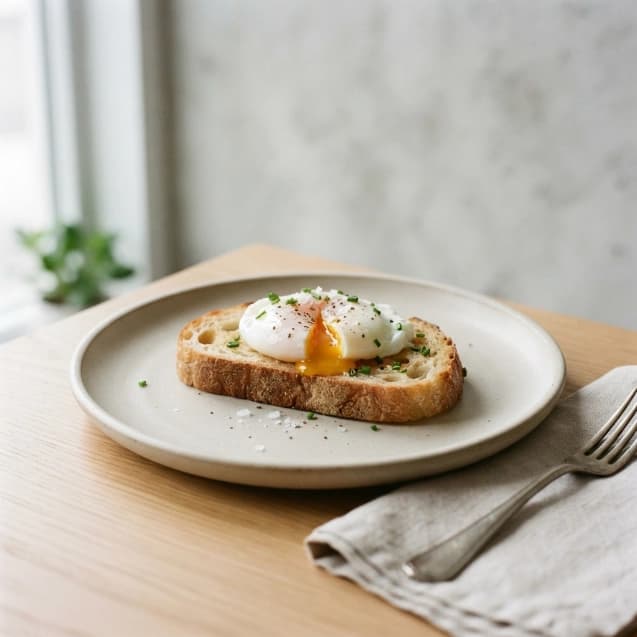
Clean compositions that keep the food or product as the central focus
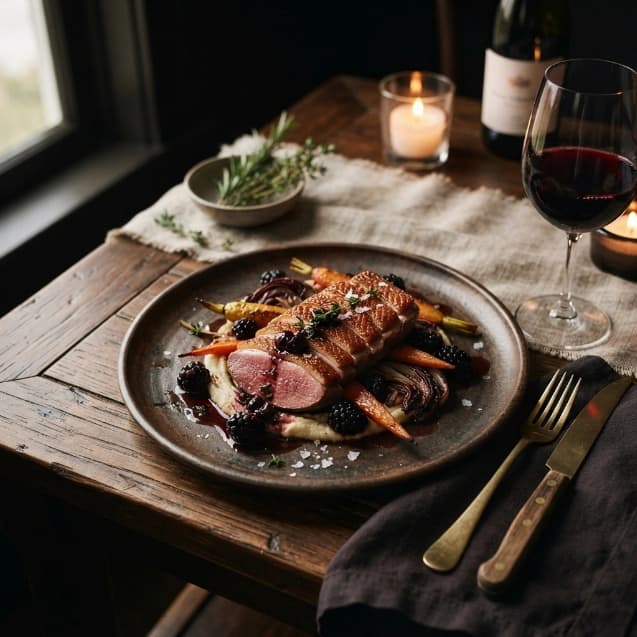
Refined food visuals with rich lighting for premium brand positioning
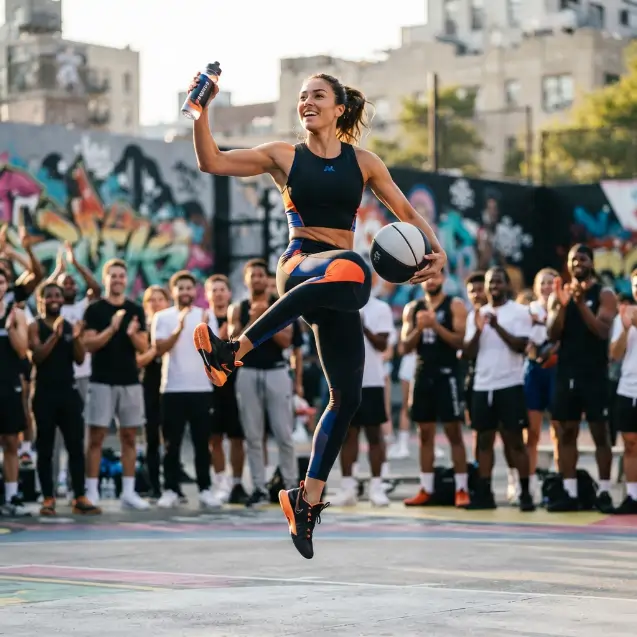
Attention-focused imagery created for offers, launches, and promotional campaigns
Protect your brand identity with PlatePhoto, where AI food advertising photography maintains accurate food details and consistent visual direction across campaign assets.
Keep dish presentation, ingredients, textures, and food details consistent with your original references
Maintain recognizable packaging, labels, logos, and printed brand elements across advertising images
Match brand colors across campaign visuals for a consistent and recognizable presentation
Keep lighting, backgrounds, shadows, and visual settings aligned across campaign images
Maintain camera angles, food placement, framing, and composition across your advertising campaign
Extend your campaign reach with PlatePhoto’s AI food advertising photography across digital, restaurant, retail, and print marketing channels.
Create attention-focused food visuals for sponsored posts, paid social ads, and promotional campaigns
Use campaign-ready food images across homepages, landing pages, product pages, and promotional sections
Produce adaptable food visuals for digital banners, display ads, and online advertising placements
Add on-brand food imagery to promotional emails, product announcements, offers, and seasonal campaigns
Create appetizing campaign visuals for menu promotions, new dishes, special offers, and restaurant advertising
Use high-resolution food advertising images across posters, flyers, catalogs, displays, and other printed materials
Equip your marketing and creative teams with versatile, campaign-ready assets created through PlatePhoto’s AI food advertising photography.
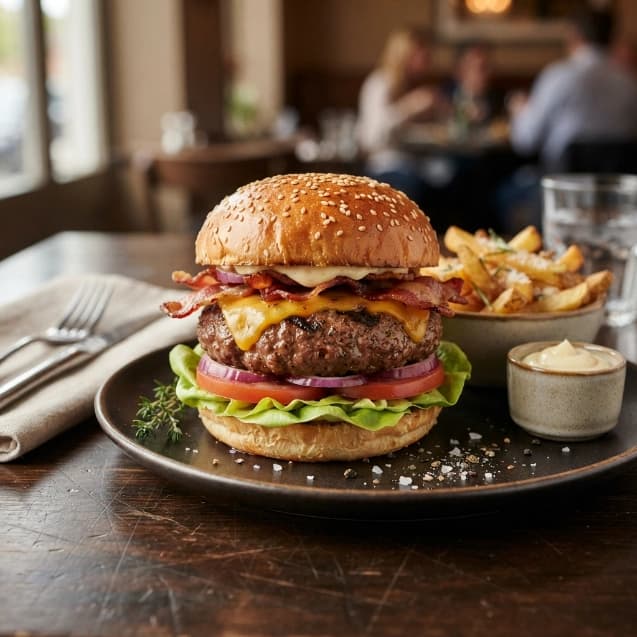
Polished food advertising visuals with clear ingredients, textures, products, and brand details
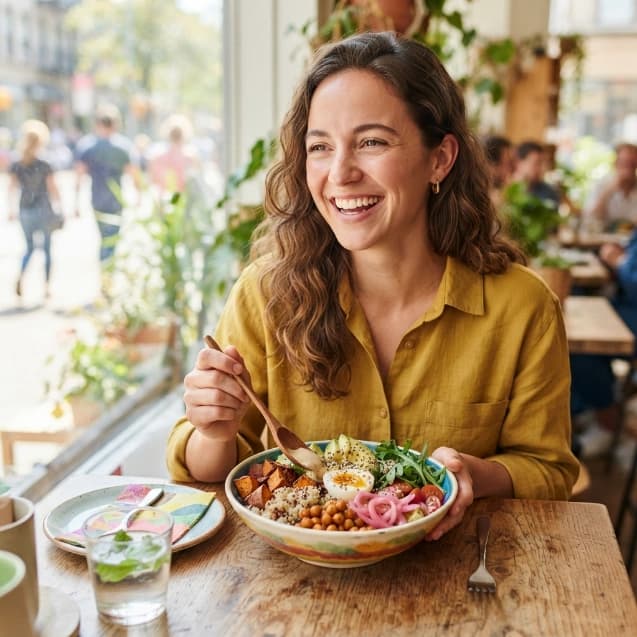
Food campaign images prepared for clear display across websites, landing pages, and digital channels
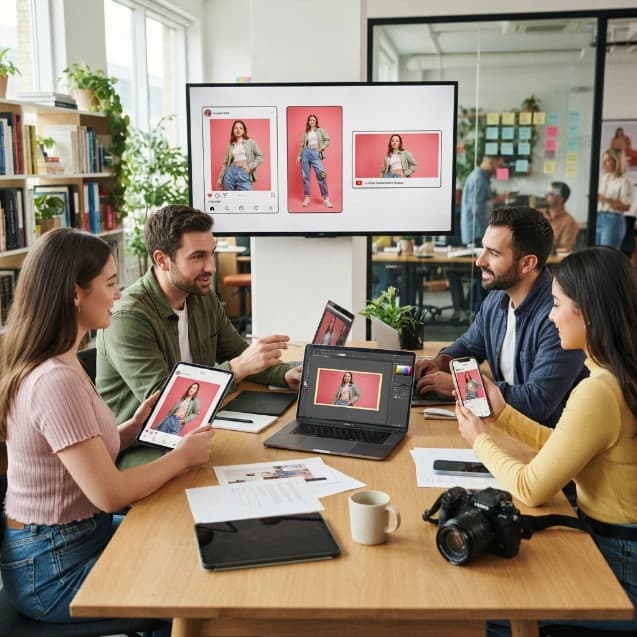
Fit advertising visuals to different aspect ratios, placements, and platform requirements
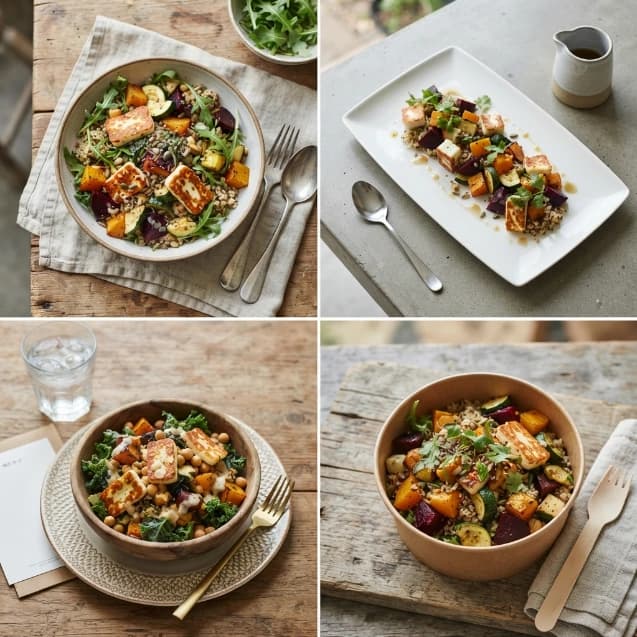
Create different compositions, backgrounds, settings, and visual directions from the same food references

Maintain aligned lighting, styling, composition, and brand presentation across campaign image collections
Generate polished, campaign-ready food visuals with controlled styling, composition, lighting, and brand presentation.
Reduce production timelines by avoiding repeated studio setups, test shoots, location planning, and physical reshoots.
Reduce expenses linked to studio rentals, photographers, food stylists, props, locations, and repeated production sessions.
Adapt backgrounds, settings, compositions, and visual directions for product launches, seasonal promotions, and advertising goals.
Create new crops, compositions, backgrounds, and campaign variations without recreating the complete photography setup.
Use generated advertising assets under PlatePhoto’s commercial-use terms for brand, promotional, and marketing campaigns.
Produce consistent food advertising images across multiple campaigns, products, formats, and marketing channels without rebuilding the workflow.
Compare the time and cost of AI-powered food photography with traditional studio shoots. See why restaurants are making the switch to instant, affordable solutions.
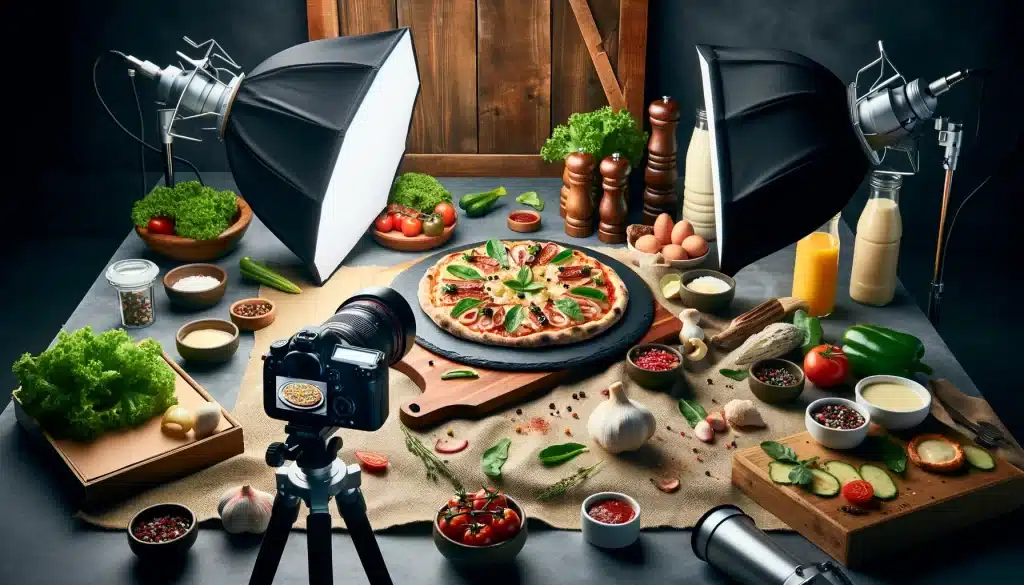
4-6 hours per shoot
Plus equipment setup time
3-7 days for edited photos
Additional revisions take longer
Limited props & backgrounds
Only what you physically own
Food Spoilage & Waste
Ice cream melts, salads wilt, hot food cools
Inconsistent Brand Look
Different lighting & styles across shoots
Professional food photography pricing:
$200-400 per photo
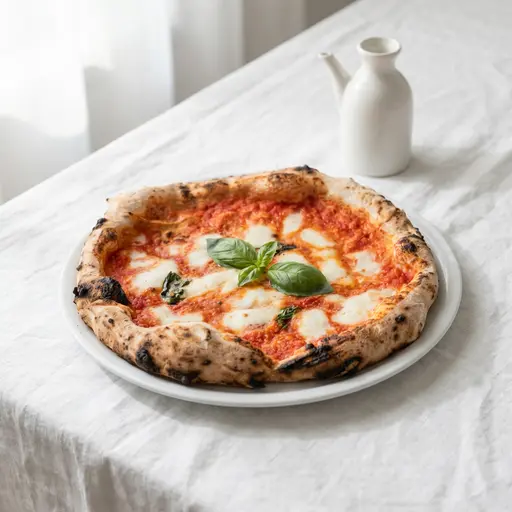
Results in 30-60 seconds
Professional quality instantly
Instant downloads
Create unlimited variations
Unlimited props & backgrounds
Virtual studios and styling options
Create photos 24/7
Update menus instantly
Multiple photography styles
Match any food photo reference
AI food photography pricing:
$0.50 per photo
Join thousands of restaurants and food businesses using PlatePhoto
Stop letting expensive studio shoots and slow production cycles delay your campaigns, and create professional, campaign-ready food advertising photos with PlatePhoto’s AI-powered food photography.
No, not every AI-generated food advertisement in the United States requires an AI disclosure simply because AI was used. FTC advertising rules focus on whether an ad is truthful and non-deceptive. A disclosure may be necessary if the generated image could materially mislead consumers about the actual food product, including its appearance, ingredients, portion size, packaging, or expected results.
Yes, an AI food image could be considered deceptive advertising if it materially misrepresents the actual product and is likely to mislead reasonable consumers. The FTC evaluates the overall impression created by advertising, including images and implied claims. Differences involving portion size, ingredients, product appearance, packaging, or other material characteristics may create legal concerns if they influence a consumer’s purchasing decision.
No fixed amount of retouching is considered acceptable in U.S. food advertising. Retouching can adjust lighting, color, shadows, backgrounds, and minor imperfections as long as the final image does not materially misrepresent the advertised food. Changes that exaggerate portion size, ingredients, quantity, product features, or expected appearance can raise deceptive advertising concerns if they are likely to affect a consumer’s purchasing decision.
No, a food advertisement does not need to show the exact portion size, but it must not create a misleading impression about the quantity consumers receive. In the United States, advertisers should avoid visual techniques that materially exaggerate serving size or product quantity. Portion presentation becomes particularly important when the image could influence purchasing decisions or support specific nutrition or serving claims.
Yes, a clarifying statement such as “Serving Suggestion” can help when a food image shows ingredients or garnishes that are not included with the product. In the United States, food labeling must not create a false or misleading impression. For certain packaged foods, FDA rules specifically require a statement when labeling implies that foods shown are included when they are not.
Yes, AI-generated food images can generally be used in Google and Meta advertising campaigns when they comply with each platform’s advertising policies. Google explicitly permits generative AI advertising assets but requires them to meet the same standards for accuracy, misrepresentation, and prohibited content as other ads. Advertisers should also follow applicable AI-labeling requirements and ensure food visuals do not misrepresent the advertised product.
No, fully AI-generated food images generally are not protected by U.S. copyright law when they contain no sufficient human authorship. The U.S. Copyright Office states that copyright protects human-created expression, not material generated wholly by AI. PlatePhoto users should keep this distinction in mind when creating commercial food imagery, as human editing, selection, arrangement, or creative modifications may qualify for protection depending on the circumstances.
Yes, sometimes a brand may need permission to show third-party logos, branded packaging, copyrighted artwork, or other protected assets in food advertising, particularly if their use could imply sponsorship, endorsement, or affiliation. Generic, unbranded props usually present fewer concerns. Brands should review trademark, copyright, and usage rights before including recognizable third-party assets in commercial advertising campaigns.
Yes, a model release is generally required when employees or customers appear in a food advertisement because commercial use of an identifiable person can involve rights to their name, image, or likeness. Brands should obtain written permission before publishing the advertisement. Requirements vary by U.S. state, particularly when the image suggests that the person endorses the food, product, or brand.
Advertising food photography is designed to promote a food product, brand, offer, or campaign through attention-focused commercial visuals, whereas menu food photography is designed to accurately present specific dishes customers can order from a restaurant or food service business. Advertising images often use creative styling and campaign concepts, while menu images prioritize clear dish presentation and consistency across menu items.